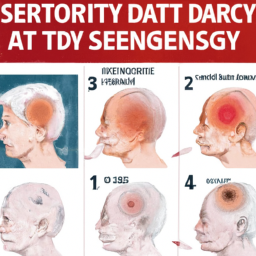

Recognizing the Red Flags: Early Signs of Dementia to Look Out For
Dementia is a progressive and debilitating condition that affects millions of people worldwide. It is a term used to describe a decline in cognitive function, including memory, thinking, and behavior. While dementia is most commonly associated with older adults, it can also affect younger individuals. As there is currently no cure for dementia, early detection and intervention are crucial in managing the symptoms and improving the quality of life for those affected.
One of the biggest challenges in dealing with dementia is recognizing the early signs and symptoms. Many people may dismiss these signs as a normal part of aging, leading to a delay in diagnosis and treatment. However, being able to recognize the red flags of dementia can help individuals and their loved ones seek medical attention and support early on.
One of the first signs of dementia is memory loss. While occasional forgetfulness is a normal part of aging, forgetting important information or events, or repeatedly asking the same questions can be a cause for concern. This can also include difficulty remembering names, places, and recent conversations.
Another red flag is changes in behavior and personality. People with dementia may become more irritable, agitated, or withdrawn. They may also exhibit changes in mood, such as sudden outbursts of anger or sadness. These changes can be confusing and distressing for both the individual and their loved ones.
Difficulty with daily tasks is another early sign of dementia. This can include forgetting how to perform routine tasks, such as cooking, cleaning, or managing finances.
The Importance of Early Detection: Identifying the Warning Signs of Dementia
Dementia is a progressive and debilitating condition that affects millions of people worldwide. It is a broad term used to describe a decline in cognitive function, including memory loss, difficulty with language and problem-solving, and changes in behavior and mood. While there is no cure for dementia, early detection and intervention can significantly improve the quality of life for those affected and their loved ones.
Early detection of dementia is crucial because it allows for timely medical intervention and support. It can also help individuals and their families plan for the future and make important decisions about care and treatment options. However, identifying the warning signs of dementia can be challenging, as the symptoms can be subtle and easily overlooked.
One of the most common types of dementia is Alzheimer’s disease, accounting for 60-80% of cases. The early signs of Alzheimer’s disease may include forgetfulness, difficulty completing familiar tasks, confusion with time or place, and changes in mood and behavior. These symptoms may be mistaken for normal signs of aging, making it essential to pay attention to any changes in cognitive function.
Another type of dementia is vascular dementia, which is caused by reduced blood flow to the brain. The warning signs of vascular dementia may include difficulty with planning and organizing, problems with concentration and decision-making, and changes in personality and mood. These symptoms may also be attributed to other health conditions, making it crucial to seek medical advice if they persist.
Don’t Ignore the Signs: How to Spot Early Symptoms of Dementia in Your Loved Ones
Dementia is a progressive and debilitating condition that affects millions of people worldwide. It is a term used to describe a decline in cognitive function, including memory loss, difficulty with language and problem-solving, and changes in behavior and mood. While dementia is most commonly associated with older adults, it can also affect younger individuals. As a loved one, it can be heartbreaking to witness the decline of someone you care about due to dementia. However, early detection and intervention can significantly improve the quality of life for both the individual and their family. This is why it is crucial to be aware of the early signs of dementia and to take action as soon as possible.
One of the most challenging aspects of dementia is that it can be challenging to recognize in its early stages. The symptoms can be subtle and easily dismissed as a normal part of aging. However, it is essential to pay attention to any changes in your loved one’s behavior, as early detection can lead to early treatment and better management of the condition.
One of the first signs of dementia is memory loss. While occasional forgetfulness is a normal part of aging, forgetting important events, dates, or names of familiar people can be a cause for concern. Pay attention to how often your loved one forgets things and if it affects their daily life. For example, forgetting to turn off the stove or missing appointments can be a sign of dementia.
Another early symptom of dementia is difficulty with language and communication. Your loved one may struggle to find the right words.
From Forgetfulness to Confusion: Understanding the Early Stages of Dementia and How to Spot Them
Dementia is a progressive neurological disorder that affects millions of people worldwide. It is characterized by a decline in cognitive function, including memory loss, confusion, and difficulty with daily tasks. While dementia is most commonly associated with older adults, it can also affect younger individuals.
One of the most challenging aspects of dementia is its early stages, where symptoms may be subtle and easily overlooked. This is why it is crucial to understand the early signs of dementia and how to spot them. In this article, we will delve into the journey from forgetfulness to confusion and provide valuable insights into recognizing the early stages of dementia.
The first stage of dementia is often referred to as mild cognitive impairment (MCI). During this stage, individuals may experience slight changes in their memory, such as forgetting recent events or struggling to recall names and faces. These changes may be subtle and easily dismissed as a normal part of aging. However, it is essential to pay attention to these changes and monitor them closely.
As dementia progresses, individuals may enter the second stage, known as early-stage dementia. At this point, the symptoms become more noticeable and may include difficulty with language, disorientation, and trouble with problem-solving. For example, a person with early-stage dementia may have trouble finding the right words to express themselves or may get lost in familiar places.
The third stage of dementia is referred to as moderate dementia. At this stage, individuals may experience significant memory loss, confusion, and difficulty with daily tasks.