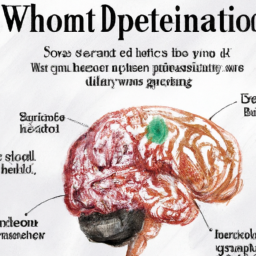

Recognizing the Early Signs of Dementia: What to Look For
Dementia is a progressive and debilitating condition that affects millions of people worldwide. It is a term used to describe a decline in cognitive function, including memory, thinking, and behavior. While dementia is most commonly associated with older adults, it can also affect younger individuals. As the population continues to age, the number of people living with dementia is expected to increase significantly. Therefore, it is crucial to recognize the early signs of dementia to seek proper treatment and support.
The early signs of dementia can be subtle and easily overlooked, especially in the early stages. However, being able to identify these signs can make a significant difference in managing the condition and improving the quality of life for those affected. Here are some of the most common early signs of dementia to look out for:
1. Memory Loss: One of the most well-known symptoms of dementia is memory loss. This can manifest in various ways, such as forgetting recent events, repeating the same questions, or relying on memory aids like notes or reminders.
2. Difficulty with Familiar Tasks: People with dementia may struggle with tasks that were once second nature to them, such as cooking, using household appliances, or following a familiar route.
3. Confusion and Disorientation: Dementia can cause individuals to become confused about time, place, and people. They may get lost in familiar places, forget where they are or how they got there, and have difficulty recognizing familiar faces.
4. Changes in Mood and Behavior: Dementia can also affect.
The Importance of Early Detection: Identifying Dementia Symptoms
Dementia is a progressive and debilitating condition that affects millions of people worldwide. It is a broad term used to describe a decline in cognitive function, including memory loss, difficulty with language and problem-solving, and changes in behavior and mood. While there is no cure for dementia, early detection and intervention can significantly improve the quality of life for those affected and their loved ones.
Early detection of dementia is crucial for several reasons. Firstly, it allows for timely medical intervention, which can slow down the progression of the disease and alleviate symptoms. This can help individuals maintain their independence and continue to engage in activities they enjoy for a longer period. Secondly, early detection allows for better planning and preparation for the future. This includes making important decisions about care, finances, and legal matters while the individual is still able to participate in the decision-making process.
One of the most significant challenges in detecting dementia is that its symptoms can be subtle and easily overlooked, especially in the early stages. Memory loss, for example, is often dismissed as a normal part of aging. However, it is essential to recognize that dementia is not a normal part of aging and should not be ignored. It is a progressive disease that requires medical attention.
There are several warning signs that may indicate the onset of dementia. These include forgetfulness, difficulty completing familiar tasks, confusion with time or place, changes in mood or behavior, and difficulty with language. If you or a loved one experience any of these symptoms, it is crucial to seek medical.
Understanding the Different Types of Dementia and Their Warning Signs
Dementia is a term used to describe a group of symptoms that affect a person’s memory, thinking, and social abilities to the point where it interferes with their daily life. It is a progressive condition that primarily affects older adults, although it can also occur in younger individuals. There are several different types of dementia, each with its own unique set of symptoms and warning signs. Understanding these types of dementia and their warning signs is crucial in order to provide proper care and support for those affected.
1. Alzheimer’s Disease
Alzheimer’s disease is the most common type of dementia, accounting for 60-80% of all cases. It is a degenerative brain disorder that causes a gradual decline in memory, thinking, and behavior. The early warning signs of Alzheimer’s disease include forgetfulness, difficulty completing familiar tasks, confusion with time and place, and changes in mood and personality. As the disease progresses, individuals may experience difficulty with language, disorientation, and even changes in physical abilities.
2. Vascular Dementia
Vascular dementia is the second most common type of dementia, accounting for 10-20% of cases. It is caused by a series of small strokes or other conditions that damage the blood vessels in the brain. The warning signs of vascular dementia may include difficulty with planning and organizing, problems with concentration and decision-making, and changes in mood and behavior. Unlike Alzheimer’s disease, memory loss may not be the primary symptom in the early stages of vascular dementia.
Tips for Caregivers: How to Spot Dementia in Your Loved Ones
Dementia is a progressive brain disorder that affects millions of people worldwide. It is a condition that primarily affects older adults, and it can be challenging for both the person experiencing it and their loved ones. As a caregiver, it is essential to be aware of the signs and symptoms of dementia to provide the best care for your loved one. In this article, we will discuss some tips for caregivers on how to spot dementia in your loved ones.
1. Know the Early Signs
The first step in spotting dementia in your loved one is to know the early signs. These signs may vary from person to person, but some common ones include memory loss, difficulty with language and communication, confusion, and changes in mood and behavior. It is crucial to pay attention to these signs and seek medical advice if you notice them in your loved one.
2. Observe Changes in Behavior
Dementia can cause significant changes in a person’s behavior. As a caregiver, it is essential to observe any changes in your loved one’s behavior, such as increased agitation, aggression, or apathy. These changes can be subtle, so it is crucial to pay attention to them and discuss them with a healthcare professional.
3. Keep Track of Memory Loss
Memory loss is one of the most common symptoms of dementia. As a caregiver, it is essential to keep track of your loved one’s memory loss. This can include forgetting important dates, repeating the same questions, or getting lost in familiar places.