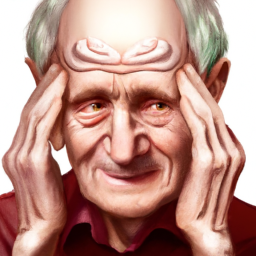

Understanding the Early Warning Signs of Dementia: What to Look Out For
Dementia is a progressive and debilitating condition that affects millions of people worldwide. It is a term used to describe a decline in cognitive function, including memory, thinking, and behavior. While dementia is most commonly associated with older adults, it can also affect younger individuals. As there is currently no cure for dementia, early detection and intervention are crucial in managing the symptoms and improving the quality of life for those affected.
One of the key factors in early detection is understanding the early warning signs of dementia. These signs may vary from person to person, but there are some common symptoms that can indicate the onset of dementia. It is essential to be aware of these signs, as early diagnosis can lead to better treatment and support for both the individual and their loved ones.
Memory loss is often the first and most noticeable sign of dementia. While occasional forgetfulness is a normal part of aging, forgetting important information or events, or repeatedly asking the same questions, can be a cause for concern. Other memory-related symptoms may include difficulty completing familiar tasks, misplacing items, or getting lost in familiar places.
Changes in communication and language skills can also be early warning signs of dementia. This can manifest as difficulty finding the right words, trouble following conversations, or repeating the same words or phrases. Individuals with dementia may also struggle with writing or reading, as well as understanding visual information.
Another common symptom of dementia is changes in mood and behavior.
The Progression of Dementia Symptoms: From Mild Cognitive Impairment to Advanced Stages
Dementia is a progressive neurological disorder that affects millions of people worldwide. It is characterized by a decline in cognitive function, including memory, thinking, and behavior. While dementia is most commonly associated with older adults, it can also affect younger individuals. The progression of dementia symptoms can vary from person to person, but there are generally three stages: mild cognitive impairment, moderate dementia, and advanced dementia.
The first stage of dementia is mild cognitive impairment (MCI). This is often considered a transitional stage between normal aging and dementia. People with MCI may experience mild memory loss and have difficulty with complex tasks, such as managing finances or planning events. However, they are still able to function independently and carry out their daily activities. It is estimated that 10-20% of people with MCI will progress to dementia within a year, and about half will develop dementia within five years.
As dementia progresses, individuals enter the moderate stage. This is when the symptoms become more noticeable and begin to interfere with daily life. Memory loss becomes more severe, and individuals may have difficulty recognizing familiar people and places. They may also have trouble with language, such as finding the right words or understanding what others are saying. In addition, changes in behavior and personality may occur, such as increased agitation, confusion, and difficulty with problem-solving. This stage can last for several years, and individuals may require more assistance with daily tasks.
The final stage of dementia is advanced dementia.
Uncovering the Lesser-Known Symptoms of Dementia: Beyond Memory Loss
Dementia is a progressive neurological disorder that affects millions of people worldwide. It is commonly associated with memory loss, as this is often the most noticeable symptom. However, there are many other symptoms of dementia that are often overlooked or misunderstood. These lesser-known symptoms can have a significant impact on the daily lives of those living with dementia and their caregivers.
One of the most common lesser-known symptoms of dementia is changes in behavior and personality. As the disease progresses, individuals may become more irritable, agitated, or even aggressive. They may also experience changes in their mood, such as depression or anxiety. These behavioral changes can be challenging for caregivers to manage and can lead to strained relationships with loved ones.
Another lesser-known symptom of dementia is difficulty with language and communication. This can manifest in various ways, such as struggling to find the right words, repeating the same phrases, or having trouble understanding others. As a result, individuals with dementia may become frustrated and withdraw from social interactions, leading to feelings of isolation and loneliness.
In addition to changes in behavior and communication, individuals with dementia may also experience physical symptoms. These can include difficulty with motor skills, such as walking and coordination, as well as changes in appetite and sleep patterns. These physical symptoms can impact an individual’s ability to perform daily tasks and can also lead to other health complications.
One of the most challenging lesser-known symptoms of dementia is the loss of executive function. This refers to the ability to plan, organize, and make decisions.
How to Differentiate Between Dementia and Normal Aging: A Guide for Caregivers
As we age, it is natural for our bodies and minds to undergo changes. However, when it comes to cognitive abilities, it can be difficult to determine whether the changes are a normal part of aging or a sign of a more serious condition such as dementia. This can be especially challenging for caregivers who are responsible for the well-being of their aging loved ones. In this guide, we will discuss how to differentiate between dementia and normal aging, providing valuable information for caregivers to better understand and care for their loved ones.
First and foremost, it is important to understand what dementia is and how it differs from normal aging. Dementia is a broad term used to describe a decline in cognitive function that is severe enough to interfere with daily life. It is not a specific disease, but rather a group of symptoms that can be caused by various conditions such as Alzheimer’s disease, vascular dementia, and Lewy body dementia. On the other hand, normal aging refers to the gradual decline in cognitive abilities that is a natural part of the aging process. This decline is typically mild and does not significantly impact daily functioning.
One of the key differences between dementia and normal aging is the severity and progression of symptoms. With dementia, the decline in cognitive abilities is more significant and tends to worsen over time. This can include memory loss, difficulty with language and communication, impaired judgment, and changes in behavior and personality. In contrast, the changes associated with normal aging are more subtle and do not significantly impact daily functioning.