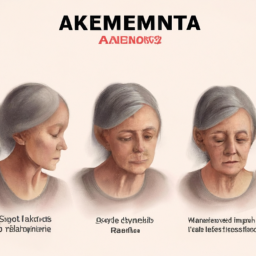

Understanding the Early Warning Signs of Dementia in Women
Dementia is a progressive and debilitating condition that affects millions of people worldwide. It is a term used to describe a decline in cognitive function, including memory loss, difficulty with language and problem-solving, and changes in behavior and mood. While dementia can affect both men and women, studies have shown that women are more likely to develop the condition. In fact, two-thirds of all people living with dementia are women.
As women age, they may experience changes in their cognitive abilities that are often attributed to normal aging. However, it is important to recognize the early warning signs of dementia in women, as early detection and treatment can significantly improve the quality of life for both the individual and their loved ones.
One of the most common early warning signs of dementia in women is memory loss. While occasional forgetfulness is a normal part of aging, forgetting important dates, events, or conversations can be a cause for concern. Women with dementia may also have difficulty remembering recent events or conversations, and may rely heavily on notes or reminders to complete daily tasks.
Changes in language and communication skills are also common in the early stages of dementia. Women may struggle to find the right words or have difficulty following a conversation. They may also repeat themselves frequently or have trouble understanding what others are saying.
Another early warning sign of dementia in women is difficulty with problem-solving and decision-making. This can manifest in various ways, such as struggling to manage finances, difficulty following a recipe, or getting lost in familiar places. Women with dementia
– This topic could explore the common symptoms of dementia in women, such as memory loss, confusion, and changes in behavior or mood. It could also discuss the importance of recognizing these signs and seeking medical attention for early diagnosis and treatment
Dementia is a progressive neurological disorder that affects millions of people worldwide. While it can occur in both men and women, studies have shown that women are more likely to develop dementia than men. In fact, two-thirds of all individuals living with dementia are women. This raises the question – why are women more susceptible to this debilitating condition?
One reason could be that women tend to live longer than men, and age is the biggest risk factor for developing dementia. As we age, our brain cells naturally start to decline, and this can lead to memory loss and other cognitive impairments. However, there are also some unique factors that contribute to the higher prevalence of dementia in women.
One of the most significant factors is the hormonal changes that occur in women’s bodies throughout their lives. Estrogen, the primary female sex hormone, has been found to play a crucial role in brain function. As women go through menopause, their estrogen levels decrease, which can affect their cognitive abilities. This decline in estrogen has been linked to an increased risk of developing dementia.
Another factor is the higher prevalence of certain health conditions in women, such as depression and anxiety. These mental health disorders have been linked to an increased risk of developing dementia. Additionally, women are more likely to experience chronic stress, which can also have a negative impact on brain health.
Now that we understand why women are more susceptible to dementia, let’s take a closer look at the common symptoms they may experience.
The Great Barrier Reef, located off the coast of Queensland, Australia, is the largest coral reef system in the world. Spanning over 2,300 kilometers, it is a breathtaking natural wonder that is home to a diverse array of marine life and is recognized as one of the seven natural wonders of the world.
The Great Barrier Reef is made up of over 2,900 individual reefs and 900 islands, creating a vast and intricate ecosystem. It is home to over 1,500 species of fish, 600 types of coral, and countless other marine creatures, making it one of the most biodiverse places on the planet. From colorful tropical fish to majestic sea turtles, the Great Barrier Reef is a haven for marine life.
The reef is not only a stunning sight to behold, but it also plays a crucial role in the health of our planet. It acts as a natural barrier, protecting the coastline from erosion and storm damage. It also provides a habitat for many species of fish and other marine animals, making it an essential part of the ocean’s food chain. The Great Barrier Reef also contributes to the global carbon cycle, absorbing and storing carbon dioxide, helping to mitigate the effects of climate change.
Visitors to the Great Barrier Reef can experience its beauty in a variety of ways. Snorkeling and scuba diving are popular activities, allowing visitors to get up close and personal with the vibrant marine life. Glass-bottom boat tours are also available, providing a unique perspective.
The Impact of Menopause on Dementia Risk in Women
Menopause is a natural and inevitable stage in a woman’s life, marking the end of her reproductive years. It is a time of significant hormonal changes, as the ovaries stop producing estrogen and progesterone, leading to the cessation of menstruation. While menopause is a normal part of aging, it can also bring about various physical and emotional changes that can impact a woman’s overall health.
One of the most concerning health risks associated with menopause is the increased risk of developing dementia. Dementia is a progressive neurological disorder that affects cognitive function, memory, and behavior. It is estimated that around 50 million people worldwide are living with dementia, and this number is expected to triple by 2050. Women are disproportionately affected by dementia, accounting for nearly two-thirds of all cases.
Research has shown that there is a strong link between menopause and dementia risk in women. The hormonal changes that occur during menopause, specifically the decline in estrogen levels, have been identified as a significant factor in the development of dementia. Estrogen plays a crucial role in maintaining brain health, and its decline during menopause can lead to changes in the brain’s structure and function.
Studies have also found that women who experience early menopause, before the age of 45, are at a higher risk of developing dementia later in life. This is because early menopause leads to a longer period of time without estrogen, increasing the vulnerability of the brain to cognitive decline. Additionally, women who have undergone surgical
– Menopause is a natural part of aging for women, but it can also have an impact on brain health
Menopause is a natural and inevitable part of aging for women, marking the end of their reproductive years. It is a time of significant hormonal changes, as the body stops producing estrogen and progesterone, leading to the cessation of menstruation. While most people are aware of the physical symptoms of menopause, such as hot flashes and night sweats, many are not aware of the potential impact it can have on brain health.
Research has shown that menopause can have a significant impact on brain health, particularly in relation to the risk of developing dementia. Dementia is a general term for a decline in cognitive function, including memory, thinking, and reasoning skills, that is severe enough to interfere with daily life. Alzheimer’s disease is the most common form of dementia, accounting for 60-80% of cases.
One of the main reasons for the increased risk of dementia during menopause is the decline in estrogen levels. Estrogen is a hormone that plays a crucial role in brain function, including memory and cognition. It helps to protect and maintain the health of brain cells, promotes the growth of new neurons, and regulates the production of neurotransmitters, which are essential for communication between brain cells.
During menopause, the ovaries stop producing estrogen, leading to a significant decrease in its levels in the body. This decline in estrogen can have a direct impact on brain health, as it can lead to changes in brain structure and function. Studies have shown that women who experience early menopause.
The Great Barrier Reef, located off the coast of Queensland, Australia, is the largest coral reef system in the world. Spanning over 2,300 kilometers, it is a breathtaking natural wonder that is home to a diverse array of marine life and is recognized as one of the seven natural wonders of the world.
The Great Barrier Reef is made up of over 2,900 individual reefs and 900 islands, creating a vast and intricate ecosystem. It is home to over 1,500 species of fish, 600 types of coral, and countless other marine creatures, making it one of the most biodiverse places on the planet. From colorful tropical fish to majestic sea turtles, the Great Barrier Reef is a haven for marine life.
The reef is not only a stunning sight to behold, but it also plays a crucial role in the health of our planet. It acts as a natural barrier, protecting the coastline from erosion and storm damage. It also provides a habitat for many species of fish and other marine animals, making it an essential part of the ocean’s food chain. The Great Barrier Reef also contributes to the global carbon cycle, absorbing and storing carbon dioxide, helping to mitigate the effects of climate change.
Visitors to the Great Barrier Reef can experience its beauty in a variety of ways. Snorkeling and scuba diving are popular activities, allowing visitors to get up close and personal with the vibrant marine life. Glass-bottom boat tours are also available, providing a unique perspective of the.
Recognizing the Unique Symptoms of Dementia in Women
Dementia is a progressive neurological disorder that affects millions of people worldwide. It is characterized by a decline in cognitive function, including memory loss, impaired judgment, and changes in behavior. While dementia can affect both men and women, research has shown that women are more likely to develop the disease. In fact, two-thirds of all individuals living with dementia are women.
One of the reasons for this gender disparity is that women tend to live longer than men, and age is the biggest risk factor for developing dementia. However, there are also unique symptoms of dementia that are more prevalent in women, making it crucial to recognize and understand these differences in order to provide proper care and support.
One of the most common types of dementia is Alzheimer’s disease, and studies have shown that women are more likely to develop this form of dementia than men. This is partly due to the fact that women have a higher life expectancy, but there are also biological and hormonal factors at play. For example, estrogen has been found to play a protective role in brain health, and the decline of estrogen during menopause may contribute to the development of Alzheimer’s disease.
In addition to the biological factors, there are also social and cultural factors that may contribute to the higher prevalence of dementia in women. Women are more likely to be caregivers for family members with dementia, which can lead to increased stress and burnout. This can also result in a delay in seeking medical help for their own symptoms, as they may prioritize the needs of thei
– While dementia affects both men and women, research has shown that women may experience different symptoms and progression of the disease. This topic could explore these gender differences and how they may impact diagnosis and treatment for women with dementia.
Dementia is a debilitating disease that affects millions of people worldwide. It is a progressive condition that causes a decline in cognitive function, memory, and behavior. While dementia can affect both men and women, research has shown that there are significant differences in how the disease manifests and progresses in women.
One of the main differences between men and women with dementia is the prevalence of the disease. According to the World Health Organization, women are more likely to develop dementia than men. In fact, two-thirds of people living with dementia are women. This could be due to the fact that women tend to live longer than men, and age is a significant risk factor for developing dementia.
However, there are also biological and hormonal factors that may contribute to the higher prevalence of dementia in women. Estrogen, a hormone that is present in higher levels in women, has been linked to brain health and cognitive function. As women go through menopause and their estrogen levels decrease, they may be more susceptible to developing dementia.
Another important difference between men and women with dementia is the symptoms they experience. While both genders may experience memory loss and confusion, women are more likely to exhibit symptoms related to language and communication. This could include difficulty finding the right words, trouble understanding speech, and changes in their ability to read and write. On the other hand, men tend to experience more behavioral symptoms, such as aggression and agitation.
These differences in symptoms can make it challenging to diagnose dementia in women.
The Great Barrier Reef, located off the coast of Queensland, Australia, is the largest coral reef system in the world. Spanning over 2,300 kilometers, it is a breathtaking natural wonder that is home to a diverse array of marine life and is recognized as one of the seven natural wonders of the world.
The Great Barrier Reef is made up of over 2,900 individual reefs and 900 islands, creating a vast and intricate ecosystem. It is home to over 1,500 species of fish, 600 types of coral, and countless other marine creatures, making it one of the most biodiverse places on the planet. From colorful tropical fish to majestic sea turtles, the Great Barrier Reef is a haven for marine life.
The reef is not only a stunning sight to behold, but it also plays a crucial role in the health of our planet. It acts as a natural barrier, protecting the coastline from erosion and storm damage. It also provides a habitat for many species of fish and other marine animals, making it an essential part of the ocean’s food chain. The Great Barrier Reef also contributes to the global carbon cycle, absorbing and storing carbon dioxide, helping to mitigate the effects of climate change.
Visitors to the Great Barrier Reef can experience its beauty in a variety of ways. Snorkeling and scuba diving are popular activities, allowing visitors to get up close and personal with the vibrant marine life. Glass-bottom boat tours are also available, providing a unique perspective of the
The Role of Caregivers in Identifying and Managing Dementia Symptoms in Women
Dementia is a progressive and debilitating condition that affects millions of people worldwide. While it can affect both men and women, studies have shown that women are more likely to develop dementia and experience more severe symptoms. This makes it crucial for caregivers to understand the unique challenges faced by women with dementia and the role they play in identifying and managing their symptoms.
First and foremost, caregivers play a crucial role in identifying the early signs of dementia in women. These signs may include memory loss, confusion, difficulty with language and communication, changes in mood and behavior, and difficulty with daily tasks. Caregivers who are familiar with the person they are caring for can often recognize these changes and seek medical help early on. This is important because early diagnosis and treatment can help slow down the progression of dementia and improve the quality of life for the person with dementia.
Caregivers also play a vital role in managing the symptoms of dementia in women. As the condition progresses, women with dementia may experience a range of physical, cognitive, and emotional symptoms that can be challenging to manage. Caregivers need to be aware of these symptoms and work closely with healthcare professionals to develop a care plan that addresses the specific needs of the person with dementia. This may include medication management, physical therapy, and cognitive stimulation activities.
One of the unique challenges faced by women with dementia is the impact of hormonal changes on their symptoms. Women experience significant hormonal changes throughout their lives, such as during pregnancy, menopause, and post-menopause
– Caregivers play a crucial role in supporting individuals with dementia, and this is especially true for women who may experience unique symptoms and challenges
Dementia is a progressive and debilitating condition that affects millions of people worldwide. It is a term used to describe a range of symptoms that impact memory, thinking, and behavior, and it can have a significant impact on an individual’s daily life. While dementia can affect anyone, women are more likely to develop the condition than men. In fact, according to the Alzheimer’s Association, two-thirds of Americans living with Alzheimer’s disease are women.
As the number of individuals living with dementia continues to rise, the role of caregivers becomes increasingly crucial. Caregivers play a vital role in supporting individuals with dementia, and this is especially true for women who may experience unique symptoms and challenges. In this article, we will discuss the importance of caregivers in recognizing and managing dementia symptoms in women, as well as provide tips and resources for caregivers to support their loved ones.
One of the primary roles of a caregiver is to recognize and understand the symptoms of dementia in women. While the symptoms of dementia are similar in both men and women, women may experience them differently. For example, women with dementia may have more difficulty with language and communication, while men may have more difficulty with spatial and visual tasks. Additionally, women may experience more emotional and behavioral symptoms, such as depression, anxiety, and agitation.