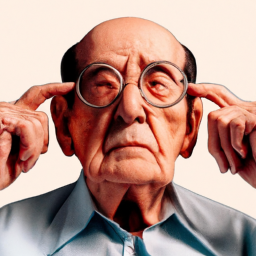

Recognizing the Early Warning Signs of Dementia: What to Look For
Dementia is a progressive and debilitating condition that affects millions of people worldwide. It is a term used to describe a decline in cognitive function, including memory, thinking, and behavior. While dementia is most commonly associated with older adults, it can also affect younger individuals. As there is currently no cure for dementia, early detection and intervention are crucial in managing the symptoms and improving the quality of life for those affected.
One of the biggest challenges in recognizing dementia is that its symptoms can be subtle and easily overlooked. However, there are some early warning signs that can indicate the onset of dementia. By being aware of these signs, individuals and their loved ones can seek medical help and support early on, leading to better management of the condition.
One of the most common early warning signs of dementia is memory loss. While occasional forgetfulness is a normal part of aging, forgetting important dates, events, or recently learned information can be a cause for concern. This can manifest in forgetting names of familiar people, misplacing items, or repeating the same questions or stories in a short period of time.
Another early warning sign is difficulty with language and communication. This can include struggling to find the right words, forgetting the meaning of common words, or having trouble following a conversation. Individuals with dementia may also have difficulty expressing their thoughts and may become increasingly withdrawn or quiet.
Changes in mood and behavior can also be early warning signs of dementia. This can include sudden mood swings, increased irritability, and apathy towards activities
The Importance of Early Detection: Identifying the First Signs of Dementia
Dementia is a progressive and debilitating condition that affects millions of people worldwide. It is a broad term used to describe a decline in cognitive function, including memory loss, difficulty with language and problem-solving, and changes in behavior and mood. While there is no cure for dementia, early detection is crucial in managing the symptoms and improving the quality of life for those affected.
The first signs of dementia can be subtle and easily overlooked, especially in the early stages. However, being able to recognize these signs and seeking medical attention can make a significant difference in the progression of the disease. Early detection allows for early intervention, which can slow down the decline in cognitive function and delay the onset of more severe symptoms.
One of the most common types of dementia is Alzheimer’s disease, accounting for 60-80% of cases. The first signs of Alzheimer’s disease often include forgetfulness and difficulty with everyday tasks, such as remembering appointments or paying bills. These symptoms may be attributed to normal aging, but if they persist and start to interfere with daily life, it is essential to seek medical advice.
Another type of dementia is vascular dementia, which is caused by reduced blood flow to the brain. The first signs of vascular dementia may include difficulty with planning and organizing, as well as changes in mood and behavior. These symptoms may be mistaken for depression or anxiety, but it is crucial to rule out vascular dementia as a possible cause.
Other types of dementia, such as Lewy body dementia and frontotemporal
Understanding the Different Types of Dementia and Their Initial Symptoms
Dementia is a broad term used to describe a decline in cognitive function that affects a person’s daily life. It is a progressive condition that primarily affects older adults, and it is estimated that over 50 million people worldwide are living with dementia. While there are many different types of dementia, they all share the common characteristic of causing a decline in memory, thinking, and reasoning skills.
One of the most important things to understand about dementia is that it is not a specific disease, but rather a group of symptoms caused by various underlying conditions. These conditions can damage the brain and affect its ability to function properly, leading to the development of dementia. Some of the most common types of dementia include Alzheimer’s disease, vascular dementia, Lewy body dementia, and frontotemporal dementia.
Alzheimer’s disease is the most common type of dementia, accounting for 60-80% of all cases. It is a progressive brain disorder that slowly destroys memory and thinking skills. The initial symptoms of Alzheimer’s disease may include difficulty remembering recent events, confusion, and changes in mood and behavior. As the disease progresses, individuals may experience difficulty with language, disorientation, and changes in personality.
Vascular dementia is the second most common type of dementia, accounting for 10-20% of cases. It is caused by a reduced blood flow to the brain, which can be the result of a stroke or other conditions that affect the blood vessels. The initial symptoms of vascular dementia may include difficulty with planning
Coping with the First Signs of Dementia: Strategies for Patients and Caregivers
Dementia is a progressive and debilitating condition that affects millions of people worldwide. It is a term used to describe a decline in cognitive function, including memory loss, difficulty with language and problem-solving, and changes in behavior and mood. Coping with the first signs of dementia can be a challenging and overwhelming experience for both patients and their caregivers. However, with the right strategies and support, it is possible to manage the symptoms and maintain a good quality of life.
The first signs of dementia can vary from person to person, but some common symptoms include forgetfulness, confusion, difficulty completing familiar tasks, and changes in mood and behavior. These signs can be subtle at first, making it challenging to recognize and accept that something may be wrong. However, it is crucial to seek medical advice as soon as possible if you or a loved one is experiencing these symptoms. Early diagnosis and treatment can help slow down the progression of dementia and improve the overall quality of life.
One of the most important strategies for coping with the first signs of dementia is to educate yourself about the condition. Understanding what dementia is, how it progresses, and what to expect can help you and your loved ones prepare for the future. There are many resources available, such as books, support groups, and online forums, where you can learn more about dementia and connect with others who are going through a similar experience.
Another essential aspect of coping with dementia is to establish a support system. This can include family members, friends, and healthcare professionals